10 July 2026
Building features on top of Linnworks without rebuilding your business
Expert interview
Share with


When e-commerce operations scale, the software rarely fails first. The workflow does. You add a new marketplace, a new warehouse, a new shipping rule, and suddenly the business is running on a stack of exceptions. Linnworks solves the core problem: it brings orders, inventory, listings, fulfilment, and marketplaces into one system. But for many businesses, that is only the beginning.
For seven years, Brainence has been building on top of Linnworks — not around it, not beside it, but inside the ecosystem itself. The team has delivered 240+ apps and extensions, 190+ macros, and 50+ full applications for retailers that needed more than standard functionality: custom automation, smarter order allocation, shipping integrations, UI logic, reporting tools, and the kind of operational glue that keeps commerce moving when growth gets inconvenient.
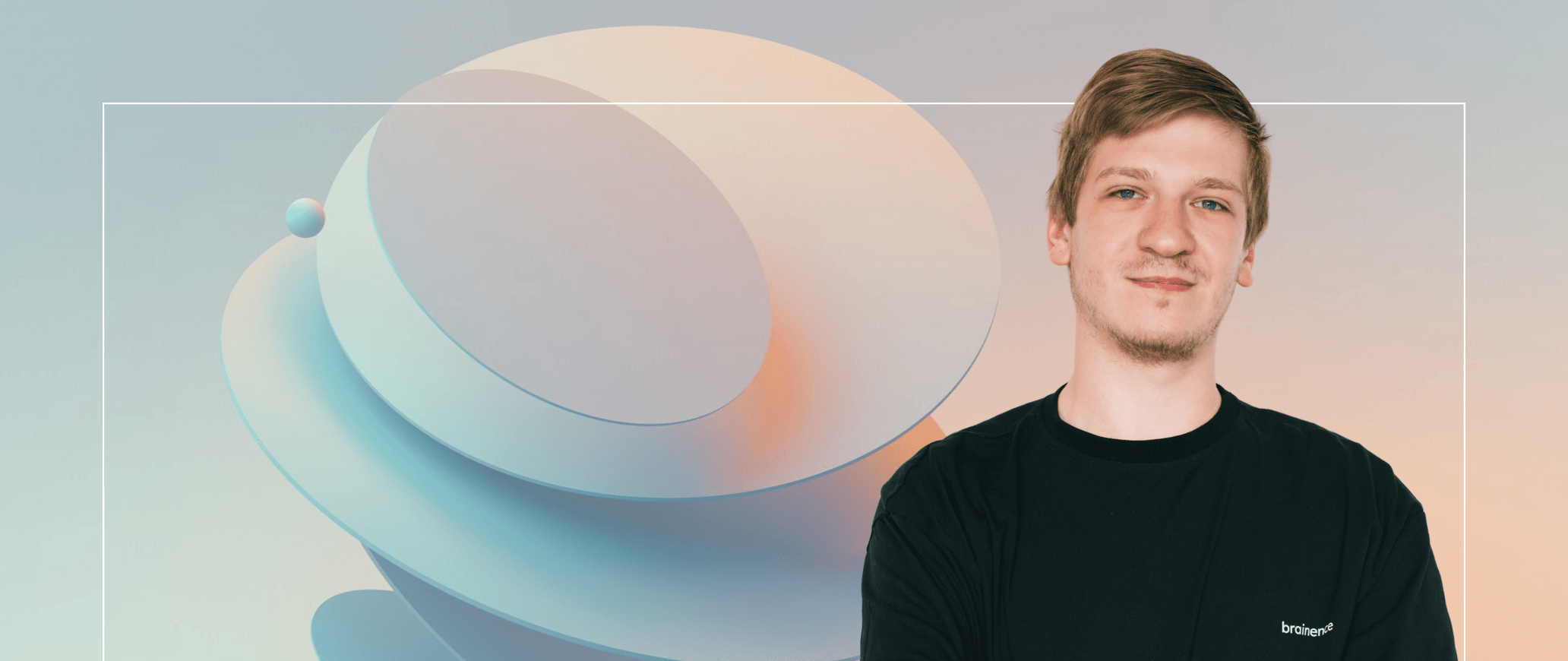
To understand what that work really looks like, we spoke with Marko Topolevskyi, Brainence PM for the Linnworks direction.
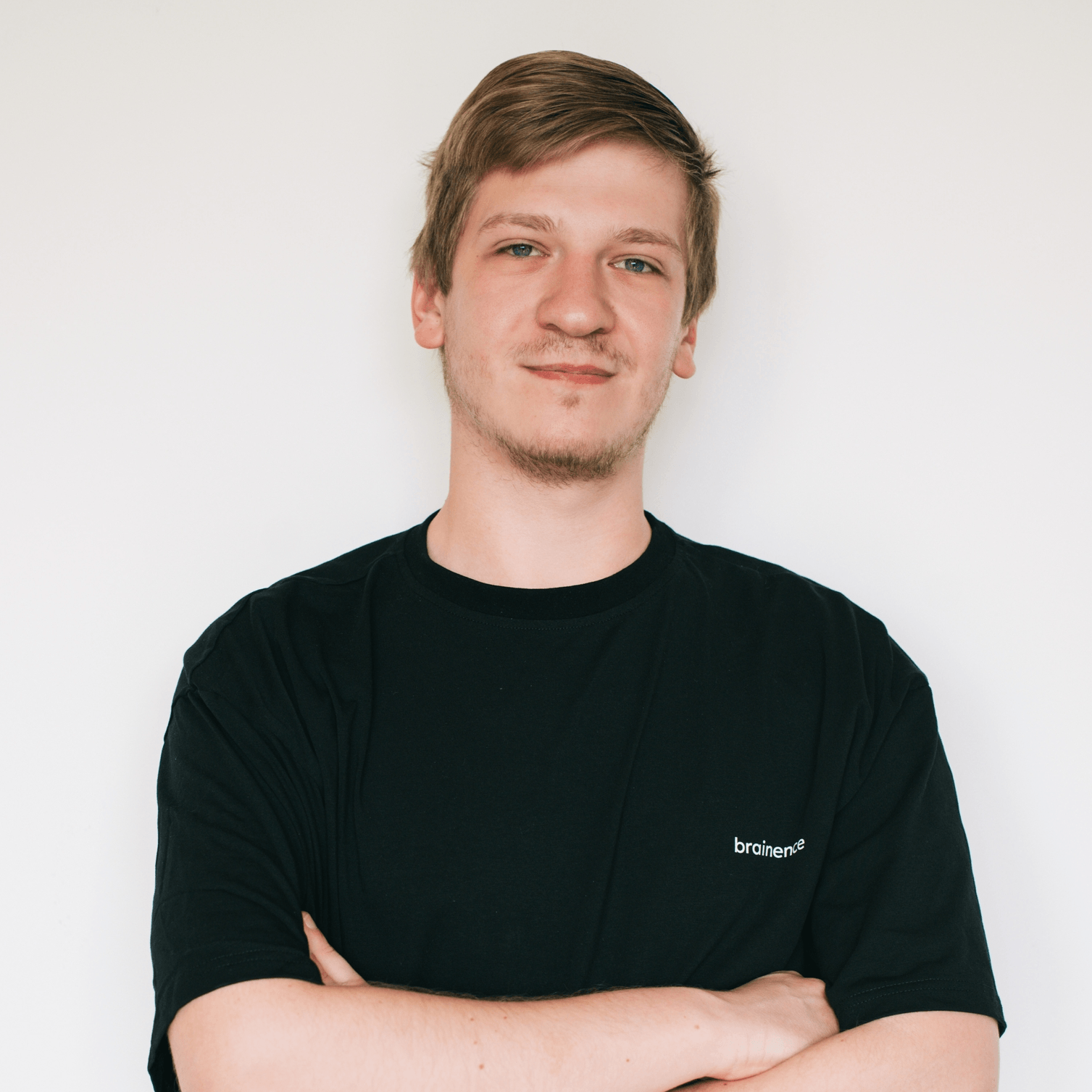
Marko Topolevskyi
Background and experience
Spent years writing front-end code before moving into project management, and brought an engineer’s instinct for how software actually gets built along with him. Now works from inside the Linnworks system itself, redesigning client workflows.
When a retailer asks for custom development on top of Linnworks, what problem are they usually trying to solve?
Marko: Usually, they are trying to make the business run the way the business actually runs. That sounds obvious, but software often forces companies into a generic workflow that works fine until growth starts adding pressure. Then they need a new marketplace, a different shipping rule, a custom approval process, a specific reporting flow, or a UI change that makes the team faster. Linnworks gives them the operational core, but custom development is what makes that core fit the way they work.
What we see most often is not a “feature request” in the narrow sense but rather a scaling problem. Retailers want to lower operational costs, reduce manual work, and support growth without hiring ten more people just to keep up with daily operations. Customization development helps them do that without rebuilding the whole stack.
After seven years inside the Linnworks ecosystem, what have you learned about where the real value sits?
Marko: The real value sits in the layer between the platform and the operational reality of the retailer. The platform itself is strong, but every business has its own logic: different marketplaces, different fulfilment models, different warehouse rules, different internal habits. That is where the ecosystem becomes valuable, because that is where the platform gets extended into something much more specific.
We have seen that a good extension is rarely the biggest one. Sometimes it is a complex integration like AliExpress, DPD or TikTok. Sometimes it is something far smaller, like Postcode Lookup or a custom button that saves dozens of repetitive actions every day. The common thread is that each solution removes friction. In e-commerce, friction is expensive. It gets multiplied fast.
Some companies still prefer to patch processes manually. Why is that a bad tradeoff at scale?
Marko: Because manual work scales badly and quietly. It does not usually explode. It just accumulates. One exception becomes three, three become ten, and suddenly the team is spending its energy on workarounds instead of growth.
That is why custom development matters. It replaces repetitive manual operations with reliable logic. It also reduces the risk of hidden mistakes, especially when teams are moving across regions or marketplaces. A business can survive manual operations for a while, but once the pace picks up, those operations start acting like a tax on growth.
What separates a useful Linnworks extension from one that just adds more complexity?
Marko: A useful extension solves a real operational problem and fits the system cleanly. It should not make the platform harder to understand. It should make a specific task faster, safer, or more scalable.
The best examples are the ones users adopt naturally because they immediately feel the difference. Advanced Order Allocator is a good example. It extends the native Rules Engine with smarter logic, distributes orders across locations, splits them based on stock, and removes a lot of manual allocation work. That is the kind of tool people do not romanticize. They just keep using it because it saves time and prevents mistakes.
Does a senior-heavy team matter in this kind of work?
Marko: Absolutely. Experience saves time in ways that are hard to see from the outside. With Linnworks, the challenge is not just writing code. It is understanding how the ecosystem behaves, where the edge cases are, and how a change will affect real operations once it is in production.
A senior-heavy team tends to ask the right questions earlier. That matters when customers are already under pressure and do not want a long chain of trial and error. It also matters because many Linnworks projects are not isolated builds. They are part of a longer relationship, so the code has to hold up over time, not just pass a launch deadline.
Need custom Linnworks development?
With seven years inside the ecosystem, our team builds custom Linnworks apps, macros, integrations, and UI enhancements for retailers that need to scale without adding operational friction.

What kinds of feature requests do retailers bring most often?
Marko: Three broad categories come up again and again. First, automation — anything that removes repetitive manual work. Second, integrations — especially with marketplaces, couriers, and shipping providers. Third, UI or workflow changes that make the platform easier for people to use day to day.
That can mean many things in practice. A retailer might need a custom view for order processing, a report that arrives automatically every morning, or a way to print hundreds of labels from a specific workflow. None of that is glamorous. All of it matters. Good commerce systems are built on a lot of unglamorous work.
The big integrations tend to get the attention. Do the smaller apps matter just as much?
Marko: Absolutely. In many cases, the small tools are the reason teams become faster every day. The big integrations help a business expand. The smaller tools help it breathe.
Postcode Lookup is a perfect example. It sounds simple, which is usually how you know it is useful. Enter a postcode, get a precise address, move on. That saves time, reduces errors, and makes the workflow smoother for the team. The same applies to custom UI enhancements or scheduled exports. They might not be visible in a demo, but they show up immediately in operations.
How does Brainence work with Linnworks and its customers without creating extra friction?
Marko: By staying close to the conversation. In many cases, we join calls directly and help shape the solution with the customer and Linnworks together. That matters because complex projects fall apart when people speak in separate rooms and hope the documents will resolve everything later.
The trust element is important too. If a partner is expected to support the customer, the platform, and the business at the same time, they need to act like an extension of the ecosystem, not an external vendor trying to “hand over” responsibility after the fact. That level of collaboration only works when the team understands both the product and the commercial context.
What does seven years inside the same ecosystem give you that a new partner would not have?
Marko: It gives you pattern recognition. You stop seeing each project as a one-off. You start seeing where the same operational pressure points appear again and again. You also understand the platform’s logic much faster, which helps avoid unnecessary backtracking.
That experience is especially valuable in pre-sales and scoping. Sometimes a client comes in with a request that looks narrow, but once you unpack it, you realize it touches fulfilment, reporting, shipping, or marketplace rules. Because we have seen those patterns before, we can scope more accurately and build more responsibly. That saves everyone time, including the customer’s team.
What do companies still underestimate when they ask for custom development on Linnworks?
Marko: They underestimate how much hidden operational knowledge sits inside the business. Many workflows are undocumented. Many decisions live in people’s heads. Many “temporary” fixes have been in place for years. When you build on top of a system like Linnworks, you uncover all of that very quickly.
They also underestimate how important reliability is. A feature that looks good in a meeting can become a liability if it breaks under load or introduces confusion during peak periods. That is why we treat delivery as operational engineering, not just feature production. The business has to keep moving while the work is being done.
Why do you think Brainence became such a long-term part of the Linnworks ecosystem?
Marko: Because the work is useful and the relationship is built on trust. That sounds simple, but simple things tend to survive. We are not there to add noise. We are there to remove friction and extend capability in a way that supports growth.
The partnership also works because the team understands the market context. Retailers in the UK and EU face real pressure: competition, labour costs, shipping complexity, regional requirements, and the constant need to do more with less. They do not need abstract transformation language. They need software that helps them operate better.
Where do you see Linnworks extensions going next?
Marko: Deeper automation, smarter integrations, better reporting, and more flexible workflows. The direction is clear: retailers want to scale without multiplying complexity. That means they need systems that adapt faster and teams that know how to build around real operational needs.
We see Brainence’s role continuing in the same direction — helping Linnworks customers extend the platform in ways that are reliable, practical, and actually used. Not every improvement needs to be dramatic. Some of the most valuable ones are the ones that quietly make the business easier to run every day.
Brainence helps retailers and platform teams extend Linnworks with custom apps, macros, integrations, and UI enhancements built for real operational needs. With seven years inside the Linnworks ecosystem, our team understands how to ship features that fit the platform, support scaling workflows, and reduce manual work without adding unnecessary complexity.
We work with a senior-heavy team of full-stack engineers, QA, and PM support, and we combine technical delivery with practical knowledge of UK and EU commerce operations. The result is a partner that can help you move faster, close skill gaps, and build the right layer on top of Linnworks.
If your team needs a dedicated partner for custom Linnworks development, automation, or marketplace integrations, we can help design and deliver it.
FAQ
How does a company know whether it needs a custom Linnworks extension or just a process change?
If the problem is caused by repetitive manual steps, repeated exceptions, or a workflow that cannot be standardized across teams, custom development usually makes sense. If the issue is mostly training, unclear ownership, or a one-off operational habit, the better fix may be inside the process rather than the platform.
What kinds of Linnworks customizations can Brainence build?
Brainence can support custom reports, macros and scripts, UI customization, marketplace integrations, POS integrations, and embedded applications that connect directly with Linnworks’ data and services. The company also highlights practical tools like postcode lookup, order allocation logic, and scheduled exports as examples of the kind of work it delivers.
How are custom Linnworks projects typically requested and delivered?
Linnworks routes customization needs through its services portal, where customers submit a request, agree on scope and specification, and then move through delivery with an approved partner. That model is designed to keep the work tied to real business requirements rather than speculative feature ideas.
Let’s discuss your software needs
- We’ll review your requirements and get back to you within 24 hours to schedule a free 30-minute consultation.
- If your project requires confidentiality, we’ll sign an NDA before moving forward.
- After the call, you’ll receive a detailed proposal with clear estimates and timelines.
You might need a dedicated engineering team, help modernizing an existing product, or a partner to build something new. We can help you work out the right approach, even if you’re still defining the scope.